

Ayurveda Courses For Sports Coaches
Ayurveda Courses For Sports Coaches
This programme is designed for sports coaches who want to enhance athlete support through a deeper understanding of recovery, conditioning and wellbeing. It introduces Ayurvedic principles in a way that connects with performance environments, focusing on how training load, recovery cycles and lifestyle factors influence physical output and resilience. The emphasis is on practical application, helping coaches recognise patterns that affect energy, recovery and long-term athletic development.


Accredited Ayurveda Courses for Corporate Wellness Trainersat the Ayurveda Institute
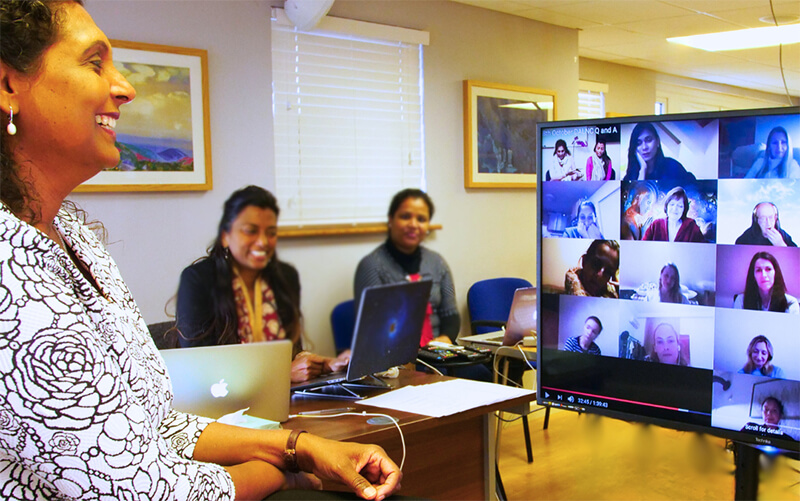

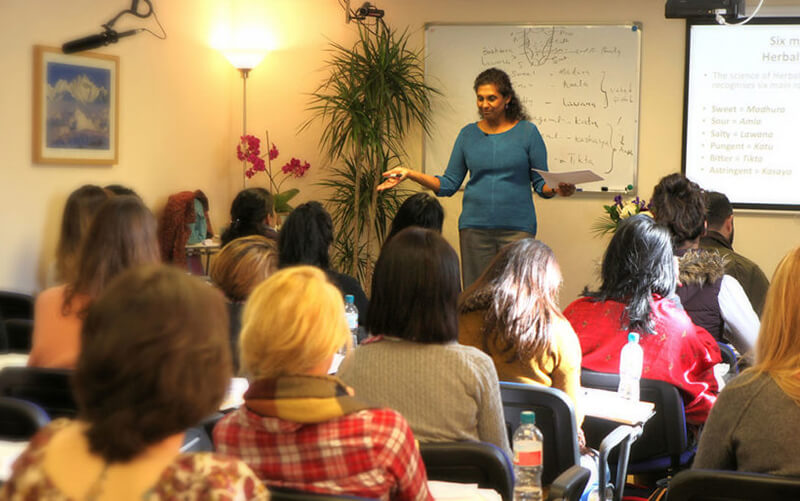

Ayurvedic Training Designed to Support the Growth of Your Practice
These courses introduce practical Ayurvedic concepts that can be applied within sports coaching and athlete development environments. You will learn how traditional concepts of balance, digestion, circulation, and rest influence the body’s ability to recover and maintain consistent energy. The emphasis will be on practical understanding of Ayurvedic approaches that can be applied to support your client base looking for a holistic approach to their wellbeing.

What you will learn
- Core Ayurvedic principles and how they relate to overall health and well-being
- How daily routines and lifestyle patterns influence energy levels and physical resilience
- Basic Ayurvedic nutrition concepts that support strength and energy
- Identification of imbalance patterns that may affect fatigue or reduced performance capacity
- Simple, practical ways to integrate Ayurvedic wellbeing support into existing coaching or care environments
- Ayurvedic massage techniques and their specific therapeutic benefits for areas such as injuries and recovery.
Accreditations & Certifications
Our courses are fully accredited and recognised by industry associations
CMA Accreditation
All of our courses are accredited by the Complementary Medical Association
AAPUK Registration
Upon completing the course, you can register with the Association of Ayurvedic Professionals UK (AAPUK)
ATAB Recognition
We are in the process of obtaining accreditation from the Ayurveda Training Accreditation Board (ATAB)
What Our Graduates Say
Hear from our graduates as they share their transformative experiences, insights and the impact their training has had on their life and careers.
Our Educators
Led by Dr Deepika Rodrigo, our courses are supported by a team of experienced educators and international visiting lecturers.




Frequently Asked Questions
What are the entry requirements for courses at the Ayurveda Institute?
Entry requirements vary depending on the course level. Some programmes are open to beginners with an interest in holistic health, while others are better suited to those with a background in wellness or related fields. Each course page provides specific guidance.
What is Ayurvedic education based on?
Ayurvedic education is based on ancient wisdom and traditional Ayurvedic practices that have been developed over thousands of years. These principles are taught in a structured way to support both understanding and practical application in modern wellbeing settings.
How is Ayurvedic nutrition taught in your programmes?
Ayurvedic nutrition is taught as a core part of wellbeing, with a focus on food as the first medicine. Students explore how diet can influence digestion, immunity and overall balance, alongside practical ways to apply these principles.
How do Ayurvedic practices support daily lifestyle changes?
Ayurvedic practices are introduced as practical tools for daily life, including routines, self-care and awareness of personal habits. These approaches are designed to support consistency, balance and improved wellbeing over time.
According to Ayurvedic Wisdom, what is meant by Ayurvedic lifestyle?
Ayurvedic lifestyle refers to aligning daily habits with natural rhythms to support overall wellbeing. This includes routine, nutrition, rest and self care practices that help maintain balance and energy.
Can Ayurvedic education support career opportunities?
Ayurvedic education can open pathways into wellness, coaching and holistic health roles. Many learners use their training to develop new services, expand existing practice or move into consultation-based work.
What does becoming an Ayurvedic practitioner involve?
Becoming an ayurvedic practitioner involves structured study in both theory and applied practice. Training develops the skills needed to work professionally with clients using holistic health approaches.
How do Ayurveda courses for sports coaches relate to Ayurvedic wellbeing principles?
Ayurveda courses for sports coaches explore how holistic principles can support recovery and energy balance. The focus is on applying Ayurvedic ideas in a way that complements active and performance-based lifestyles.
How does Ayurvedic nutrition support active individuals?
Ayurvedic nutrition supports energy, recovery and balance through personalised dietary approaches. It helps align food choices with individual needs to support consistency and wellbeing.
How do ayurvedic practices support recovery and balance?
Ayurvedic practices such as routine, rest and self-care techniques support the body’s natural recovery processes. They are designed to maintain balance in both physical and mental wellbeing.
Do your courses cover anatomy, physiology and core biomedical knowledge?
Yes. The curriculum includes anatomy, physiology and other key areas that support a strong foundation in holistic wellness education. This helps students connect traditional Ayurvedic medicine with modern understanding used in healthcare professionals and integrative health clinics.
How are doshas used in ayurvedic education and practice?
Vata, Pitta and Kapha are the three doshas that influence physical and mental balance. At the Ayurved Institute, our students learn how dosha assessment supports personalised nutrition, lifestyle practices and disease prevention strategies in real-world settings.
What is dosha-specific nutrition, and how is it applied?
Dosha-specific nutrition focuses on tailoring food choices and macronutrients based on individual constitution. This approach is used to support optimal health, digestion and energy balance
How does Ayurveda approach recovery, strength and injury prevention?
Ayurvedic principles emphasise warm, nourishing nutrition, balanced routines and restorative practices to support physical resilience. Balancing Vata helps reduce injury risk and supports recovery, while managing Kapha contributes to joint strength and stability.
What is Abhyanga, and how does it support physical wellbeing?
Abhyanga is a traditional oil massage used in Ayurvedic medicine to support circulation, relaxation and muscle recovery. It is commonly included in lifestyle recommendations for those with active routines or physically demanding work.
Is the training suitable for working professionals, and how is it delivered?
Yes, our programs can be followed bywed by working professionals and allow students to study at their own pace through online learning. The educational journey is supported with structured curriculum content and tutor support throughout.
How does Ayurveda connect with modern healthcare and other disciplines?
Ayurvedic education often complements Western medicine, yoga therapy and integrative health approaches. There is growing interest in combining traditional systems with modern care within integrative health clinics and educational workshops.
What are the course fees for the diploma course?
The fees for our accredited course are structured to ensure the best value for the training provided. For further details, please visit our website or contact us to discuss.