

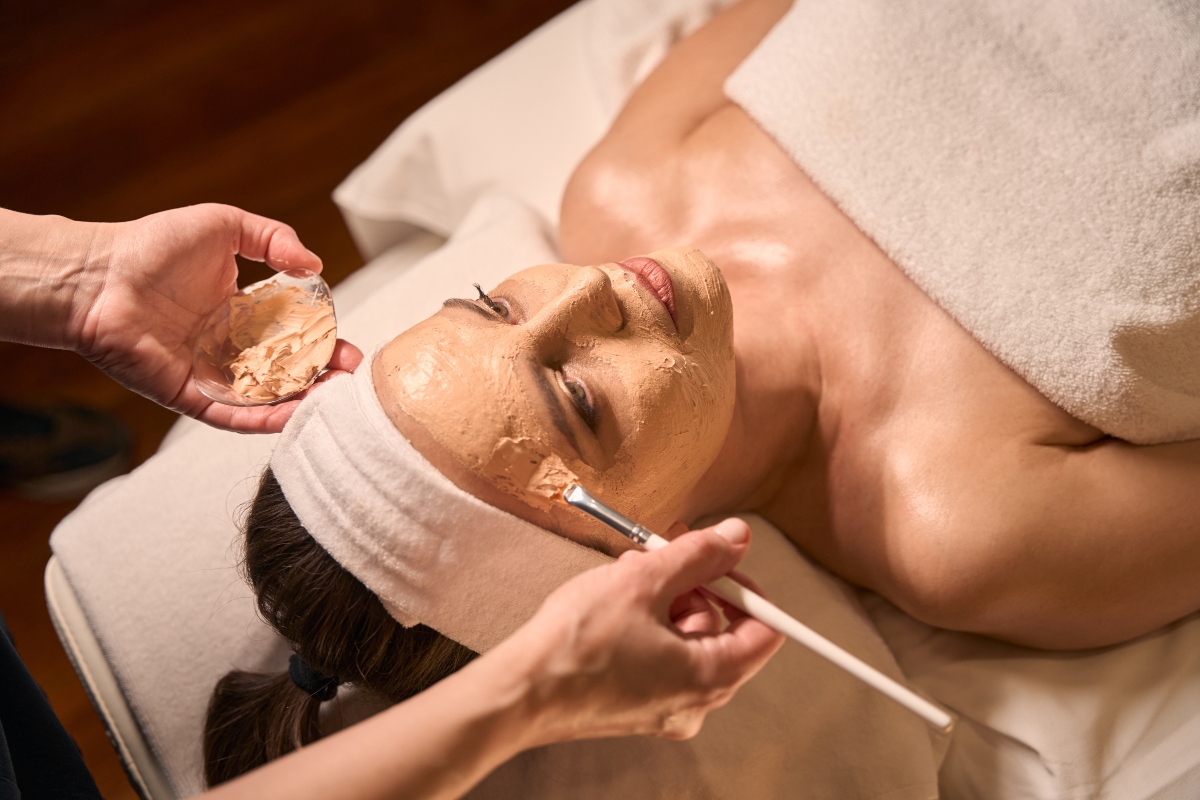
A new wave in the beauty industry is here and more consumers are looking for ways to achieve healthy, radiant skin naturally, since trends like clean beauty, vegan beauty and wellness-focused products are changing how people think about skincare. As people seek authenticity, practices like Ayurveda are resonating now more than ever, as they offer a timeless, holistic approach to beauty.
For skincare and beauty experts, this shift opens up an incredible opportunity for a fresh perspective in your work. By embracing Ayurveda’s focus on natural, plant-based ingredients and its personalised approach, you can enhance your services and offer your clients experiences that truly reflect their values and needs.
The Ayurvedic Perspective on Skincare and Beauty
Ayurvedic principles emphasise that skin health is deeply connected to internal balance. It doesn’t focus solely on external symptoms and instead looks at how the mind, body and spirit influence a person’s well-being.
For skincare professionals, this philosophy can be applied to skin, hair and beauty treatments by addressing both internal factors (such as diet, stress and emotional health) and external concerns to address your clients’ needs in a more individualised way. It approaches treatments based on a person’s unique balance of vata, pitta and kapha doshas which determine not only the skin’s characteristics but also how a person reacts to environmental stressors, products and lifestyle habits.
The Role of Herbal Remedies in Skincare
Herbal remedies are a significant part of Ayurvedic skin care. Using natural ingredients from plants and herbs, Ayurveda offers an approach to skincare that is deeply connected to nature and natural remedies which can be used in various applications such as the following;

- Herbal masks -Combining ingredients like turmeric, aloe vera and neem, herbal face masks can target common skin concerns such as acne, excess oil and uneven skin tone.
- Herbal oils – Massaging the skin with ayurvedic oils, such as sesame oil or coconut oil, promotes circulation and helps to balance the skin’s moisture levels.
- Herbal teas – Apart from topical treatments, herbal teas made from ayurvedic herbs like ashwagandha can help detoxify the body and reduce stress, both of which impact skin health.
- Herbal Steams – Steaming the face with ingredients such as neem, eucalyptus, and mint leaves, helps open the pores and detoxify the skin. It’s especially beneficial for oily skin and can help clear up acne and skin issues by removing impurities and excess oil.
Key Ayurvedic Ingredients for Radiant Skin
Ayurvedic ingredients have been used for centuries to enhance beauty and also has proven to help treat and manage a range of skin types and concerns. These ingredients are rich in nutrients and packed with healing properties that go beyond conventional skincare solutions.
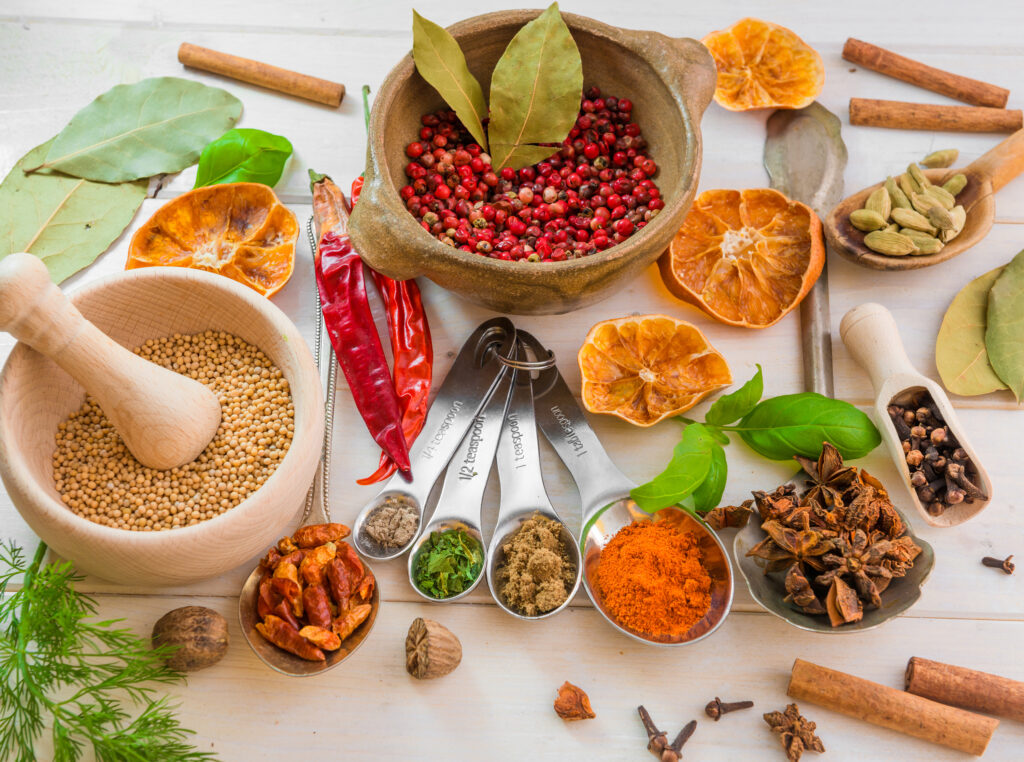
- Neem – Known for its anti-bacterial and anti-inflammatory properties, neem is often used to treat acne, blemishes and other skin conditions. It promotes clear, healthy skin and helps fight off infections.
- Aloe vera – Aloe vera has calming and moisturising qualities, making it ideal for soothing sensitive skin and reducing redness or irritation.
- Saffron – Often used to brighten and even out skin tone, saffron has been used in ayurvedic rituals for its ability to promote a radiant complexion and enhance the skin’s natural glow.
- Turmeric – Widely known for its anti-inflammatory and antioxidant properties, turmeric helps combat acne, blemishes and signs of ageing. It’s often combined with other ingredients in herbal formulations to brighten the skin and fight inflammation.
- Coconut oil – Rich in fatty acids, coconut oil helps to nourish and hydrate the skin. It’s particularly effective for dry skin and helps lock in moisture, leaving skin soft and smooth.
- Honey – Known for its natural healing properties, honey is often used to treat dry and damaged skin. It’s an effective humectant that draws moisture into the skin, promoting softness and hydration.
Creating a Personalised Ayurvedic Skincare Routine
One of the most valuable lessons Ayurveda offers in terms of beauty is the importance of creating a personalised skincare routine. By understanding each client’s skin type, dosha and lifestyle, you can recommend the right products and treatments for them. This approach seeks to understand and treat the root causes, whether they are internal imbalances, environmental factors, or emotional stress
As a skincare professional, learning Ayurvedic practices will help you understand your client’s dosha which are essential for crafting a personalised skincare regimen. Ayurveda teaches that each person’s dominant dosha, Vata, Pitta, or Kapha, affects their skin’s needs. Here is a quick overview;
- Vata – (dry, sensitive skin) Nourishing oils and hydrating treatments will help restore moisture.
- Pitta – (sensitive, acne-prone skin) Treatments that benefit from cooling, soothing products that reduce inflammation.
- Kapha – (oily, congested skin) Lighter, detoxifying treatments to balance excess oil and prevent clogged pores.
Addressing Skin Through the Mind-Body Connection
Stress can manifest on the skin, causing flare-ups of acne, eczema or dryness. Ayurveda views stress as an imbalance in Agni (digestive fire), leading to toxin buildup. For patients under stress, relaxation techniques like meditation, yoga, or deep breathing exercises are beneficial. These practices help calm the mind, restore balance and improve skin clarity. Offering mindfulness sessions or suggesting stress-reducing practices as part of the skincare routine can be just as valuable as topical treatments.
Diet and Skin Health
Incorporating dietary changes into your skincare recommendations is a key aspect of Ayurveda. Acidic foods, processed sugars and junk food are considered aggravators of skin conditions like acne or inflammation. Eating nourishing, easy-to-digest foods such as fresh vegetables, whole grains and cooling herbs to enhance digestion and flush out toxins.
Detoxing for Clear Skin
Ayurvedic practitioners often recommend eliminating toxins from the body to improve skin health. This can be done through internal cleansing with herbal remedies like triphala or ghee, which help the body rid itself of impurities and promote clear, radiant skin.
Adapting Treatments to Seasons and Dosha Imbalances
In Ayurveda, the seasons influence the doshas and treatments can be adapted to these changes. For example, during colder months, Vata can become aggravated, leading to dry, flaky skin. Offer rich, hydrating oils and warm treatments. In summer, Pitta becomes more dominant, leading to oily or inflamed skin. Cooling, anti-inflammatory products, like aloe vera or cucumber masks, will help balance the excess heat.
The Ayurveda Institute’s Role in Your Journey

At the Ayurveda Institute, we are committed to helping beauty professionals expand their expertise by integrating Ayurvedic practices into their services. We believe that Ayurveda offers a unique approach to beauty, one that is personalised, holistic and deeply rooted in wellness.
Our programs are designed to provide you with the knowledge and skills to incorporate Ayurveda into your work you are looking to enhance your treatments or are leading towards offering more natural solutions to your clients. Our courses will help you develop a deeper understanding of Ayurveda on how to apply it to your toolkit, opening up new possibilities for your business and your clients. Contact us now or register your interest today.