

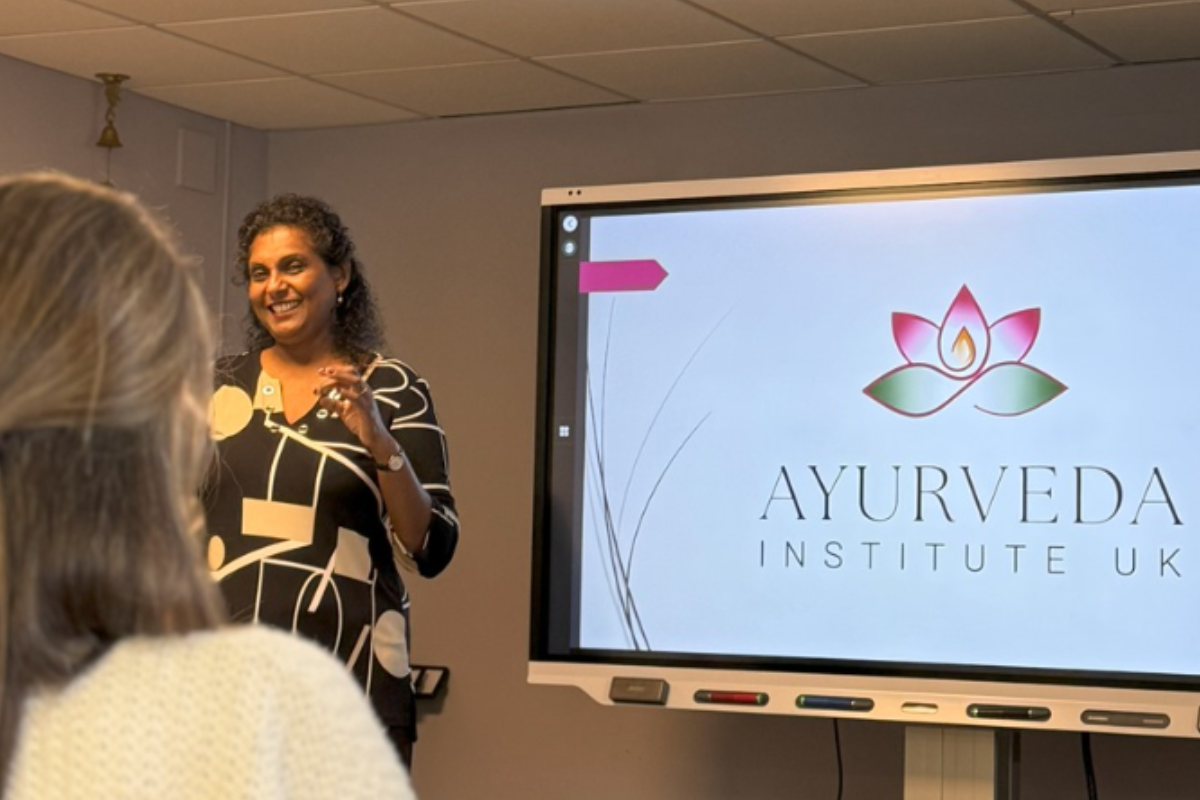
Ayurveda, the ancient science of life, has gained popularity in the UK as more people seek natural, holistic approaches to health and well-being. With its emphasis on personalised care, prevention and balance, Ayurveda offers a unique path for those interested in pursuing a career in holistic health. If you are passionate about helping others through natural healing and looking for a meaningful career, becoming an Ayurvedic practitioner may be the right choice for you. In this article, we will guide you through the essential steps, skills and opportunities involved in becoming a qualified Ayurvedic practitioner in the UK.
Prerequisites for Becoming an Ayurvedic Practitioner in the UK
Before you begin the path to becoming an Ayurvedic practitioner, it’s important to understand the role, the qualities needed and the commitment involved. Below are a few prerequisites.
Role of an Ayurvedic Practitioner
As an Ayurvedic practitioner, your role will be to assess a person’s health holistically and offer tailored treatments that promote balance and well-being. You will be trained to use a variety of diagnostic techniques identify imbalances and prescribe treatments such as herbal remedies, therapeutic massage and dietary adjustments.
Skills and Qualities Needed
To become a successful Ayurvedic practitioner, you will need a combination of knowledge and practical skills, such as the following;
Theoretical Ayurvedic Knowledge
The ability to grasp Ayurvedic theories and principles, with the hope of applying them when customising treatment plans.
Patient Interaction and Communication
Excellent communication skills are important for building trust and understanding patient needs. Ayurvedic practitioners should be adept at developing personalised treatment plans based on patient history and current conditions, ensuring comprehensive care.
Key Steps to Becoming an Ayurvedic Practitioner
Becoming an Ayurvedic practitioner involves following a clear path of education, hands-on experience and gaining the right qualifications. From starting with foundational knowledge to pursuing advanced practitioner training, each step is an essential part of building your career.
Step 1 – Researching and Choosing a Training Provider
The first step in becoming an Ayurvedic practitioner is finding an accredited institution that offers a comprehensive training program. When researching, consider factors such as;
- Accreditation – Ensure that the program is recognised by relevant Ayurvedic associations in the UK.
- Curriculum – Look for a curriculum that offers both theoretical learning and practical training.
- Clinical Training – Hands-on clinical experience is essential to refine diagnostic and treatment skills.
Step 2 – Foundational Course in Studying Ayurveda
For those new to Ayurveda, enrolling in a foundational course is an important first step. These introductory courses cover the basics of Ayurveda and give you the essential knowledge needed to decide if you want to continue your training.
Step 3 – Advancing to Practitioner-Level Training
Once you have completed a foundational course, the next step is advanced training. This is where you’ll deepen your understanding and begin learning more complex diagnostic and therapeutic techniques, which will prepare you to provide professional consultations and treatments.
Step 4 – Accreditation and Certification
Obtaining accreditation from recognised professional bodies is the next step. Institutions like the Association of Ayurvedic Professionals UK (AAPUK) offer membership to practitioners who have completed accredited training programs, which enhances your professional credibility and gives clients confidence in your expertise.
Gaining Practical Experience in Ayurvedic Medicine
Practical experience will shape your abilities as an Ayurvedic practitioner. Gaining hands-on exposure through clinical internships, volunteer work, or shadowing experienced professionals will reinforce your theoretical knowledge and help you develop confidence in your diagnostic and treatment skills. Real-world practice also allows you to enhance your understanding of Ayurvedic techniques and build the rapport necessary for effective client care, as engaging with clients in clinical settings helps to familiarise you with a wide range of health conditions.
Setting Up Your Practice or Finding Employment
Once you’ve completed your training, you have two potential routes to consider: starting your own practice or seeking employment within established wellness centres or clinics.
Starting your own practice offers the opportunity to set your own schedule and directly shape your approach to healing. You will have the freedom to build your brand, develop your services and build lasting relationships with your clients.
Alternatively, seeking employment at a wellness centre or clinic allows you to gain valuable experience in a collaborative environment, where you can learn and collaborate with other professionals and peers. Both paths offer fulfilling opportunities enabling you grow your career as a practitioner in your own unique way.
Tips for Success as an Ayurvedic Practitioner
Becoming a successful Ayurvedic practitioner is all about developing a strong professional presence and building meaningful relationships with your clients. Below are a few tips to help you thrive in this field;
- Stay Committed to Authentic Ayurveda – Remain grounded in traditional Ayurvedic principles while incorporating new research and modern approaches to treatment.
- Build Client Trust – Strong, empathetic communication is essential for fostering lasting relationships with clients. Always listen carefully and explain treatments clearly.
- Leverage Digital Platforms – Utilise social media and other online platforms to increase your reach and connect with potential clients outside your local area.
- Practice Self-Care and Mindfulness – As an Ayurvedic practitioner, maintaining your own physical and mental health is important. Following Ayurvedic practices in your own life helps you stay balanced and authentic in your work.
- Expand Your Knowledge Continuously – Ayurveda is an evolving field. Stay engaged with the latest research and attend workshops or advanced training programs to deepen your expertise.
- Network and Collaborate – Building a strong network of fellow practitioners and healthcare providers can open new opportunities and help you learn from others in the field. Collaboration with nutritionists, physiotherapists, doctors and mental health professionals can also provide a more integrated approach to client care.
Become a Certified Ayurvedic Practitioner – UK-Based Courses at the Ayurveda Institute
At The Ayurveda Institute, we offer accredited Ayurvedic courses designed to equip students with the essential skills and knowledge needed for a successful career in holistic health. Our comprehensive programs combine traditional Ayurvedic wisdom with modern teaching techniques, all delivered through a flexible online platform that allows students to learn at their own pace. Our experienced faculty, led by Dr Deepika Rodrigo, offers courses that integrate theoretical learning with practical, hands-on clinical training, ensuring that every student receives a well-rounded education. With personalised guidance and support throughout your journey.
Take the first step with The Ayurveda Institute and begin your transformative journey toward becoming a skilled Ayurvedic practitioner, where a fulfilling career and a life of wellness await you.