

In the realm of Ayurveda, the ancient science of life, understanding your dosha is key to achieving optimal health and well-being. Vata dosha, characterised by the elements of air and ether, governs movement, creativity, and flexibility within the body and mind. However, when out of balance, it can lead to issues such as anxiety, dry skin, and digestive problems. Likewise, learning how to restore balance and harmony, leads directly to optimal health, clarity, and vitality.
What is Vata dosha?
Vata dosha is one of the three primary doshas in Ayurveda, the ancient Indian system of medicine.
The concept of doshas refers to the three fundamental energies or principles that govern the function of our bodies and minds. Vata dosha, in particular, is composed of the elements of air and ether (space), and it is responsible for movement and communication within the body. It is characterised by qualities that are dry, light, cold, rough, subtle, and mobile. These qualities can manifest in both the body and mind.
Traits of Vata Dosha
Physical traits:
- Slender and lean build, often with prominent bones and joints.
- Difficulty gaining weight, with a tendency towards being underweight.
- Dry, rough, and thin skin that may be prone to cracking or chapping.
- Hair tends to be dry, brittle, and frizzy and can turn grey prematurely.
- Small, dry, and active eyes that may be prone to dryness or dullness.
- Thin, dry, and brittle nails that may break easily.
- Tendency to feel cold and have cold hands and feet.
- Irregular appetite and digestion, prone to constipation, and with tendencies toward gas and bloating.
Mental and emotional traits:
- Highly creative, imaginative, and artistic.
- Learns quickly but may also forget quickly.
- Active mind that is constantly seeking new information and experiences.
- Sensitive nervous system, prone to anxiety and restlessness.
- Enthusiastic and energetic.
- Emotions can fluctuate rapidly, with tendencies towards mood swings.
- Prone to feelings of worry, fear, and nervousness when out of balance.
- Highly adaptable and flexible, able to adjust to changes and new situations easily.
Behavioural traits:
- Enjoys physical activities that involve agility and flexibility.
- Talkative and expressive.
- May speak quickly and have a lively, animated way of talking.
- Finds it challenging to stick to a routine or maintain discipline.
- Enjoys meeting new people and exploring different social environments.
- Values freedom and independence, often prefers to work and think autonomously.
Understanding these traits of Vata dosha can help individuals recognise their natural tendencies and implement lifestyle and dietary adjustments to maintain balance and health according to Ayurvedic principles.
Role of Vata Dosha in the Body and Mind
Movement and circulation: Vata governs all types of movement in the body, including the circulation of blood, lymph, and other bodily fluids. It also controls the movement of muscles and the flexibility of joints.
Nervous system function: Vata is responsible for the transmission of nerve impulses, facilitating communication between the brain and the rest of the body. This means that it plays a key role in sensory perception and motor function.
Respiration and elimination: Vata regulates the process of breathing, ensuring that oxygen is transported efficiently throughout the body. And it oversees the elimination of waste products through the bowels, bladder, and sweat glands.
Digestion and absorption: Vata influences the movement of food through the digestive tract, affecting peristalsis and the overall digestive process, as well as assisting in the absorption of nutrients from the intestines.
Regulation of bodily rhythms: Vata helps maintain the body’s circadian rhythms, impacting sleep-wake cycles and hormonal balance.
Mental agility and creativity: Vata is associated with mental flexibility, creativity, and the ability to learn new concepts. It enhances imagination, innovation, and the capacity for abstract thinking.
Communication and expression: Vata governs speech and communication, influencing how thoughts and ideas are articulated, and playing a role in verbal and non-verbal expression.
Emotional regulation: When in balance, Vata supports emotional resilience and adaptability.
Perception: Vata affects how sensory information is processed and interpreted by the brain.
Signs of a Balanced Vata Dosha
When Vata dosha is balanced, it manifests in numerous positive ways, reflecting physical, mental, and emotional well-being. Here are the key signs of a balanced Vata dosha:
- Good energy levels
- Healthy digestion
- Nourished skin and hair
- Stable body weight
- Comfortable temperature regulation
- Clarity and focus
- Creativity and innovation
- Calm and stable mood
- Positive outlook
- Regular routine
- Effective communication
- Healthy relationships
- Physical coordination
- Restful sleep
By maintaining a balanced Vata dosha, individuals can enjoy these signs of well-being, leading to a more harmonious and fulfilling life. Balancing Vata involves adopting lifestyle practices and dietary choices that ground, warm, and stabilise this dosha, aligning it with its natural rhythm and harmony.
Symptoms of Vata Imbalance
- Digestive issues such as bloating, constipation, and abdominal discomfort
- Dry, rough, or flaky skin, and brittle, dry hair and nails
- Temperature sensitivity
- Joint pain, stiffness, muscle spasms, and twitches
- Sleep disturbances with restless and light sleep patterns
- Anxiety and worry
- Restlessness and hyperactivity
- Difficulty concentrating
- Mood swings
- Inconsistency in routine
- Overstimulation
- Communication challenges
Causes of Vata Imbalance
Dietary factors:
- Consuming excessive dry, cold, raw, or rough foods.
- Skipping meals or irregular eating habits.
- Overindulgence in stimulants like caffeine and alcohol.
Lifestyle factors:
- Excessive physical activity or overexertion.
- Irregular routines and lack of consistency in daily activities.
- Excessive travel, particularly air travel.
Environmental factors:
- Exposure to cold, dry, and windy weather.
- Living in a noisy or chaotic environment.
- Lack of warmth and stability in one’s surroundings.
Mental and emotional factors:
- High levels of stress, anxiety, or worry.
- Overstimulation from multitasking or constant mental activity.
- Lack of sufficient rest and relaxation.
Ayurvedic Strategies to Restore Vata Balance
Restoring Vata balance involves adopting lifestyle and dietary practices that counteract Vata’s inherent qualities of dryness, coldness, lightness, roughness, and mobility. Some of the most effective Ayurvedic strategies to restore Vata balance include:
- Dietary strategies
- Consume warm, moist, and nourishing foods:
This includes cooked foods such as soups, stews, and casseroles, healthy fats like ghee, olive oil, and coconut oil, and grounding foods like root vegetables and whole grains.
- Incorporate sweet, sour, and salty tastes:
As these tastes help balance Vata.
- Establish regular meal times:
Eat meals at consistent times each day to establish a routine, avoid skipping meals, and aim for three well-balanced meals daily.
- Avoid dry, cold, and raw foods:
Minimise the intake of raw salads, cold drinks, and dry snacks.
- Ensure sufficient hydration:
Stay well-hydrated by drinking warm water throughout the day.
- Incorporate Vata-pacifying herbs:
Consider the use of Ayurvedic herbs such as ashwagandha, shatavari, and licorice to balance Vata. Also use spices like ginger, cinnamon, cumin, and cardamom in cooking to aid digestion and warmth.
- Lifestyle strategies
- Establish a routine:
Create a daily routine with regular times for waking up, eating, and sleeping as consistency in daily habits helps stabilise Vata.
- Engage in grounding exercises:
Engage in gentle, grounding exercises such as yoga, tai chi, walking, and swimming while avoiding high-intensity or overly stimulating workouts.
- Get adequate rest:
Ensure you get sufficient sleep, aiming for 7-9 hours per night. This can be achieved by creating a calming bedtime routine and avoiding stimulating activities before sleep.
- Stay warm:
Dress warmly, especially in cool weather, take warm baths, and use heating pads if needed.
- Mindfulness and relaxation
- Practice daily meditation and incorporate deep breathing exercises (pranayama) to calm the mind and reduce anxiety.
- Reduce overstimulation by limiting exposure to loud noises, bright lights, and excessive screen time.
- Engage in creative activities such as painting, writing, or playing music to channel Vata’s imaginative energy.
- Self-care practices
- Abhyanga:
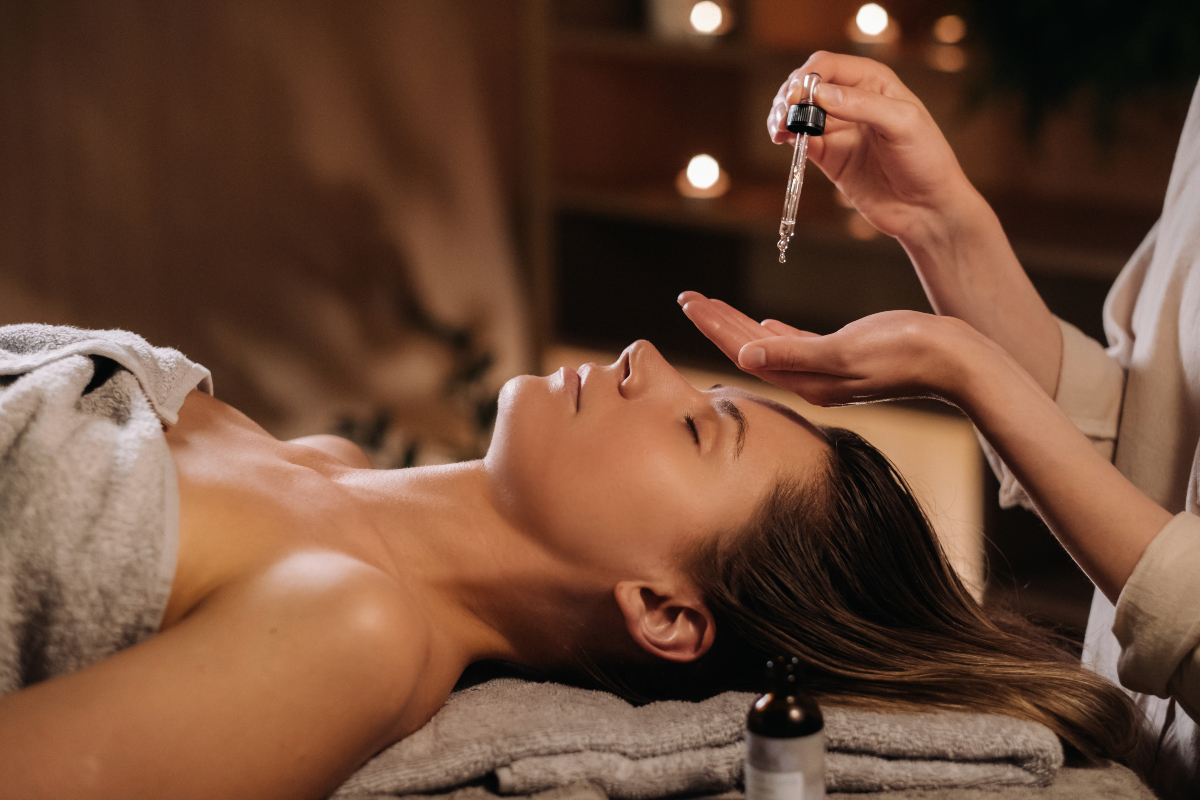
Perform daily oil massage using warm sesame or almond oil to nourish the skin and calm the nervous system.
- Aromatherapy:
Use calming essential oils like lavender, sandalwood, or chamomile to create a soothing atmosphere.
Mastering the traits and tendencies of Vata dosha is essential when seeking to harness the full potential of Ayurveda for holistic health. By recognising the signs of Vata imbalance and implementing tailored Ayurvedic practices such as grounding diets, warm oil massages, and mindful routines, you can restore harmony and vitality, and nurture your patients’ unique constitution, promoting not only physical well-being but also mental clarity and emotional stability.
Looking forward to an exciting and rewarding career in Ayurvedic medicine? Kickstart your journey at the Ayurveda Institute, where knowledge and practical training go hand in hand, to provide the finest education.
Explore the incredible courses on offer, absorb the treasure trove of knowledge, and gain unparalleled practical skills on your way to becoming a qualified Ayurvedic therapist.