

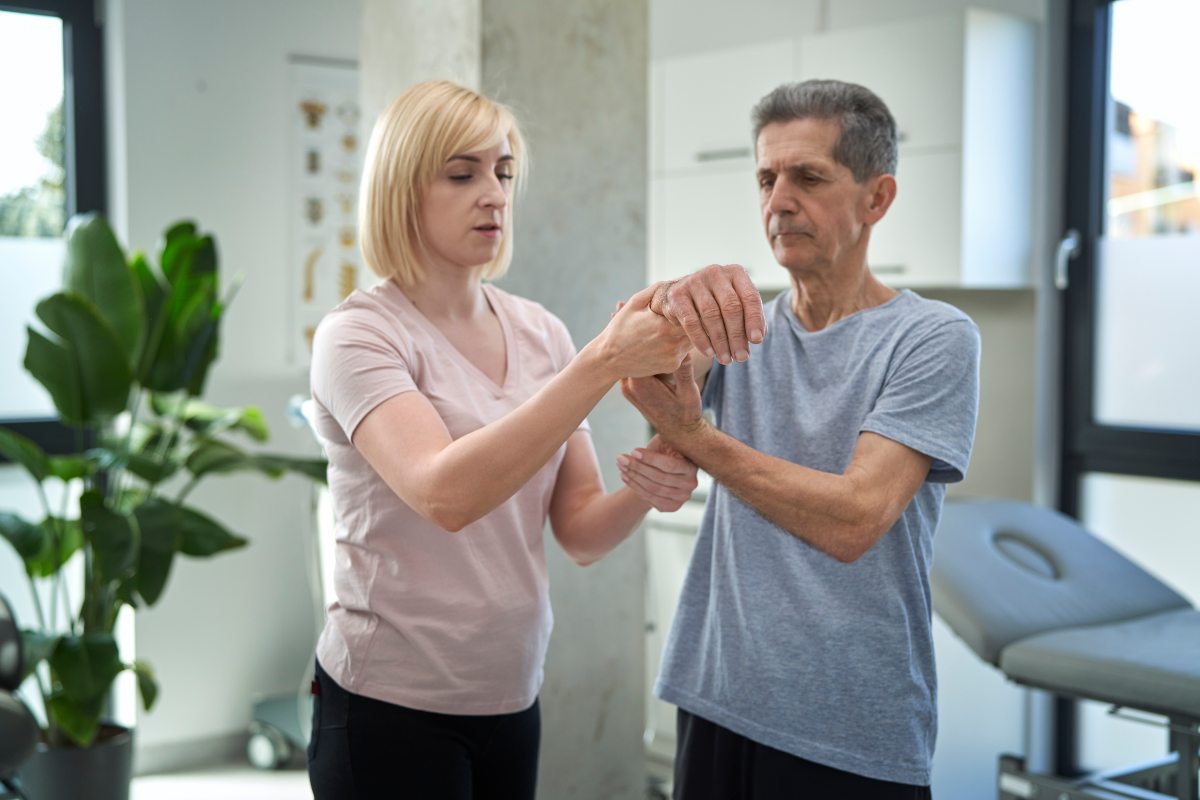
Parkinson’s affects nearly 10 million people worldwide and more than 150,000 in the UK. Affecting the nervous system, it gradually progresses with time. Research is still underway for a cure. Ayurveda has been treating Kampavata, a correlate of Parkinson’s, for thousands of years. It also offers a wealth of medicinal plants that restore and regenerate the nervous system. Today, we explore Ayurveda remedies for Parkinson’s Disease.
Ayurvedic Perspective on Parkinson’s Disease
Ayurveda attributes Parkinson’s Disease to an imbalance of Vata dosha. Vata governs all movement in the body. Sanskrit texts on Ayurveda mention a Vata-induced tremor-related condition called Vepathu, which later became Kampavata. Kampa in Sanskrit also means to tremble, shake, vibrate, shiver or quiver. This Kampa can be anywhere in the body – arms, legs, lips, head, etc. Kampavata closely resembles modern-day Parkinson’s and observes the following symptoms:
- Kampa (Tremor)
- Sthambha (Rigidity)
- Chestasanga (Slowness of Movement)
- Vak Vikriti (Speech Disorder)
- Avanamana (Flexion Posture)
- Kshinamati (Dementia)
- Smritihani (Loss of Memory)
- Vivandha (Constipation)
Ayurvedic Treatments and Remedies
Ayurveda treatments for Parkinson’s Disease alleviate its various symptoms. Remedies include herbs, therapies and lifestyle changes.
Herbal Remedies
Ashwagandha: Neuroprotective and anti-neurodegenerative. Effective against neurological disorders. It is anti-inflammatory by nature. Increases muscle mass and strength. It improves cognition and relieves anxiety and stress.
Brahmi (Bacopa/Waterhyssop): A super antioxidant and an anti-inflammatory. Boosts brain function, including improving memory. It also alleviates anxiety.
Kapikacchu (Velvet Beans): Possesses rejuvenating qualities. It is a natural source of levodopa (L-dopa), a source of the neurotransmitter dopamine. It promotes a healthy nervous system, supports motor skills & coordination, improves brain function and enhances digestive health.
Guduchi (Giloy): Nourishes and rejuvenates the nervous system.
Therapies
Abhyanga (Oil Massage): Promotes circulation and nourishes the nervous system. It strengthens joints, muscles and soft tissue.
Swedana (Sweating): Generally performed after Abhyanga. Herbal steam encourages the elimination of toxins through sweat glands.
Shirodhara: Continuous flow of warm oil onto the forehead. It promotes relaxation and equilibrium of the nervous system.
Marma Therapy: Stimulating the flow of energy. There are 107 Marma Points throughout the body. These are intersections of the body’s energy channels. Each marma point corresponds to a specific Vayu (pathway of life force), Dosha (primary energies), Dhatu (bodily tissue), and Strota (channels of circulation). Marma therapy clears stagnation in the vital energy points, renewing the biochemistry of energy channels.
Lifestyle Changes
Diet: Vata-pacifying diet. Choose warm, cooked meals over raw, cold dishes. Hydrate with warm water and beverages. Consume anti-inflammatory foods and spices, like turmeric, ginger and leafy greens. Favour moderate animal protein intake and increased plant protein. Incorporate herbal teas to promote digestion.
Regular Exercise: Moderate exercise. Walking and yoga improve circulation and flexibility.
Dinacharya (daily rituals): Rest and sleep are essential. Daily oil massages, warm baths, Triphala consumption and a positive outlook are good habits to cultivate.
Bringing Hidden Wisdom to Light
Ayurveda remedies for Parkinson’s Disease help patients alleviate symptoms and improve well-being. These treatments and herbs have effectively managed conditions resembling Parkinson’s throughout millennia.
Ayurveda Institute is proud to play a guiding role in bringing authentic Ayurvedic knowledge to the forefront of modern-day alternative healing. We offer practitioners of both Western and Eastern sciences insight and training. Whether you are incorporating this knowledge into your practice or to enrich your life, our courses provide the ultimate guidance.